




The testing of facial recognition technology by Coles and Woolworths, two of Australia’s leading supermarket chains, has reignited the debate over the balance between personal data protection and in-store security. The companies announced that they were considering the use of this technology, particularly to address aggressive behaviour towards employees and security incidents in stores. However, both companies stated that no final decision had yet been made regarding the widespread deployment of the technology across their stores.
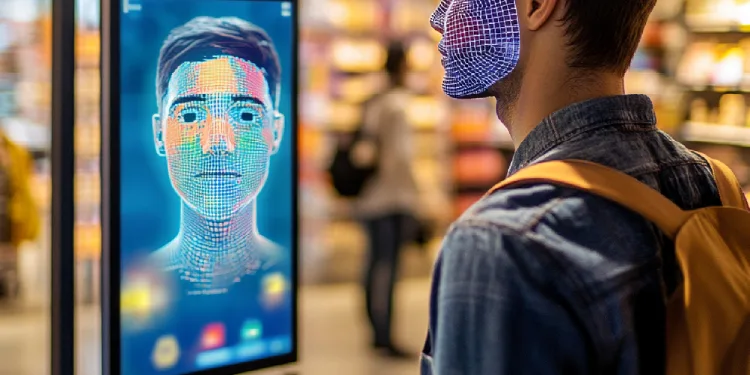
Facial recognition systems can convert facial images captured by security cameras into individual-specific biometric data, allowing the resulting data to be compared against records contained in previously established lists. For retailers, these systems could be used to identify individuals who have previously been involved in violent incidents or banned from entering stores. However, questions concerning how customers’ biometric data will be stored, how long it will be used, and whether it may be repurposed raise significant privacy concerns. Findings indicating that facial recognition systems may be more prone to false matches among certain demographic groups constitute another dimension of the debate.
The legal background to the debate also includes a recent decision concerning Bunnings’ use of similar technology in Australia. In its February 2026 decision, the country’s administrative review tribunal overturned an earlier adverse finding concerning Bunnings’ use of facial recognition technology but upheld the finding that customers had not been adequately informed that their faces were being scanned. These developments demonstrate that a security-related purpose alone may not be sufficient to justify the use of biometric technologies and that consumer notification and transparency in data processing are also important.
Coles stated that its testing constituted a limited technical trial that did not involve the use of customer or employee data, while Woolworths announced that it had tested the technology at its offices in New Zealand and continued to explore various measures that could enhance the safety of its employees and customers. Digital rights experts, however, argue that the widespread deployment of facial recognition systems in places regularly frequented by individuals in their daily lives, such as supermarkets, could normalise the use of surveillance technologies.